1. The Calmness of Shiva: Power of Inner Stillness
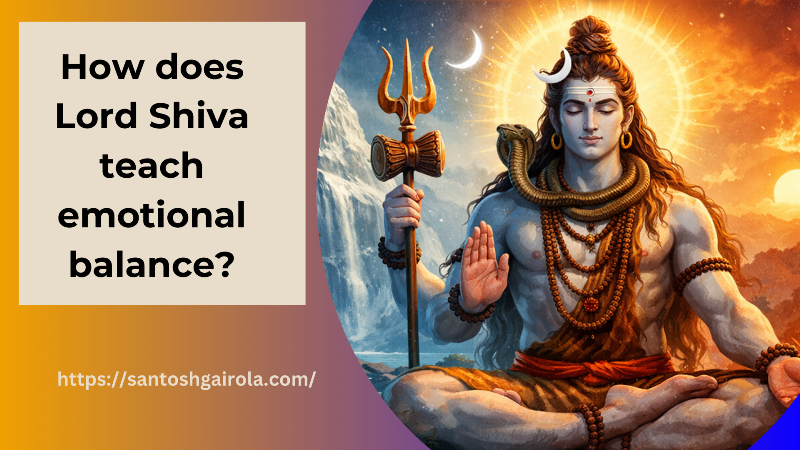
In Lord Shiva’s most iconic pictures, he is often depicted in deep meditation on Mount Kailash. Despite being known as the destroyer of darkness, his personality is calm and centered.
This depiction of Lord Shiva conveys a crucial lesson: true strength arises from inner stillness. When emotions become overwhelming, silence and meditation can help us regain power. Just as Shiva sits in peaceful meditation, we can learn to pause, breathe, and observe our emotions rather than react impulsively in every situation. With a calm mind, we can better analyze the situation and make better decisions.
2. The Third Eye: Awareness Over Reaction
In Sanatan Dharma, only Lord Shiva and his consort, Mother Shakti—who is known by many names such as Goddess MahaKali, Durga, and Parvati—possess a physical third eye on their foreheads. This third eye symbolizes power and represents higher awareness and wisdom.
People who embrace this perspective of Lord Shiva believe in living an emotionally aware life. Emotional awareness helps individuals avoid feelings of anger, sadness, or envy toward others. In fact, they find joy in others’ happiness and celebrate every achievement in their lives. This level of emotional awareness transforms their lives into a continuous celebration, allowing them to respond wisely to every situation.
There is another perspective on Shiva’s third eye. According to this viewpoint, the opening of Shiva’s third eye symbolizes destruction. However, the deeper truth is that Shiva uses his third eye to eliminate negativity and ignorance. The third eye of Shiva represents knowledge and light, guiding individuals from darkness to light. When common people develop emotional awareness, they learn to stop mindlessly allowing their emotions to control and dominate them.
3. The River Ganga: Flow of Emotions
Among many names of Lord Shiva, one is Gangadhar, meaning the one who holds the holy river Ganga in his matted hair. This symbolism imparts a powerful lesson that deserves your attention.
Lord Shiva shares a deep emotional connection with his devotees. Emotions can be likened to a river; they need to flow freely to remain vibrant and refreshing. Similarly, suppressing emotions can lead to inner pressure and restrictions in a person’s life. Thus, suppressing that flow of uncontrolled emotions can cause inner destruction. Lord Shiva gently channels the flow of Goddess Ganga, showing that emotion must be guided by inner awareness and stillness.
4. The Snake Around Shiva’s Neck: Mastering Fear
Fear is a powerful emotion that can hold you back from realizing your true potential. Confronting your fears is essential for growth and success. Lord Shiva teaches us how to overcome fear and achieve our true potential.
A giant snake named Vasuki is often depicted coiled around Lord Shiva’s neck three times. While snakes typically symbolize fear, threat, and danger, Shiva remains calm while wearing it around his neck.
Wearing a giant serpent around his neck represents his mastery over fear and negative emotions. Similarly, if anyone wants to achieve success in their life, then they must stop running away from their fears and confront them with emotional balance. Doing so will bring strength and success in their lives.
5. The Trident: Balance of Mind, Body, and Spirit
Lord Shiva’s trident is his most iconic weapon. It is commonly believed that only Lord Shiva and Goddess Shakti have the strength to wield this trident, as it represents more than just a weapon; it symbolizes the balance of mind, body, and spirit.
Under the influence of Maya (illusion), we often allow one aspect of our lives to overshadow the others. This is why spiritual cleansing is necessary; it helps us maintain focus and prevents the overthinking that can lead to anxiety and physical disorders in the body. Lord Shiva’s trident serves as a reminder that we must strive to maintain harmony between our thoughts, physical well-being, and spiritual awareness.
Conclusion
Lord Shiva’s teachings are relevant even in today’s world. The more I understand this world, the closer I feel to Lord Shiva.
In a world filled with social media distractions and constant emotional pressures, cultivating inner awareness can help individuals stay grounded and free from inner and outer conflict. Lord Shiva made me realize that every ending is the beginning of something new and beautiful. Thus, bless every situation. In the coming years, you will have many good experiences. By practicing self-reflection, meditation, and emotional awareness, people can develop the calm strength that Shiva represents.
Ultimately, Lord Shiva’s symbolism reminds us that emotional balance is not about avoiding challenges. It is about accepting ourselves and developing the inner wisdom to face them with clarity and peace.
If you also feel connected to Lord Shiva or are willing to explore the deeper spiritual insights, I invite you to continue this journey with my book, The Magnificent Shiva.
To continue receiving spiritual articles on Lord Shiva and the philosophies of Sanatan Dharma, consider subscribing to our email list. Thank you for your precious time. Please take care and keep smiling!
Aum Namah Shivaya
Santosh Gairola
16 March 2026